
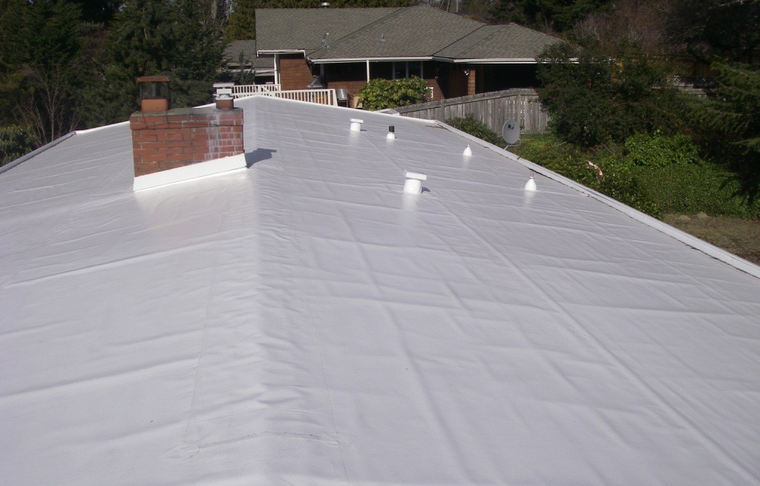
Downtown Reno
Roofs along Virginia Street and the Truckee River sit on older mixed-use buildings where tight staging, aged parapets, and dated internal drains shape how any repair or replacement gets sequenced.
From downtown buildings to industrial rooftops east of Sparks, each roof gets written findings tied to its location, exposure, and access constraints.
From downtown buildings to industrial rooftops east of Sparks, each roof gets written findings tied to its location, exposure, and access constraints. A practical roof scope compares the actual roof conditions, building use, and local exposure before repair, restoration, or replacement work is priced.
Roofs along Virginia Street and the Truckee River sit on older mixed-use buildings where tight staging, aged parapets, and dated internal drains shape how any repair or replacement gets sequenced.
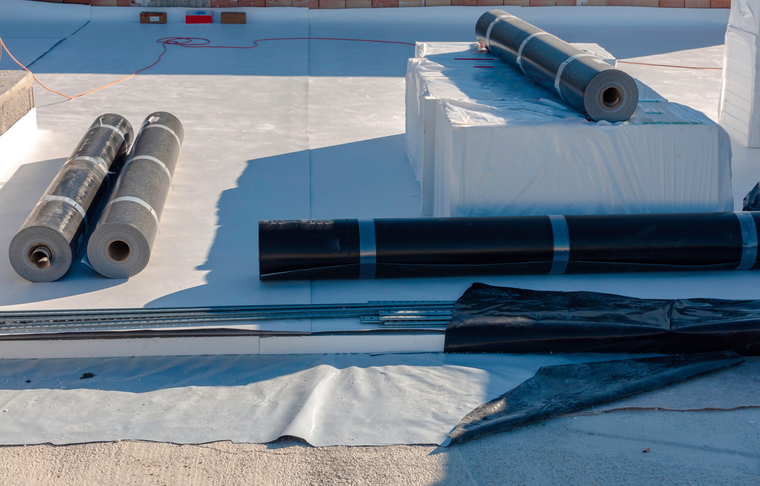
Midtown's reworked storefronts and offices carry roofs of every vintage, so leak repairs and re-cover work are planned around busy street frontage and the patched transitions left by past remodels.
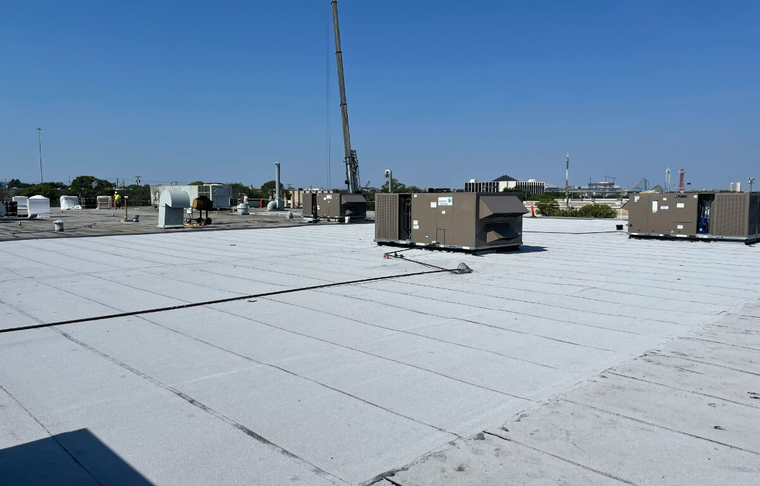
Along the I-580 corridor toward Meadowood, newer office, medical, and multifamily roofs take relentless high-altitude sun, and fast-building afternoon storms test their drainage and reflectivity.
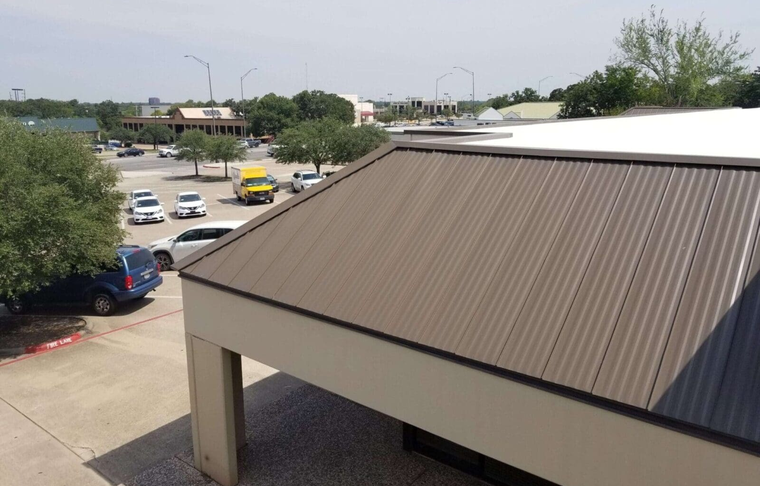
The warehouse and industrial roofs east of Reno cover huge, wind-exposed fields where drainage layout, fastening patterns, and rooftop equipment access drive almost every roofing decision.
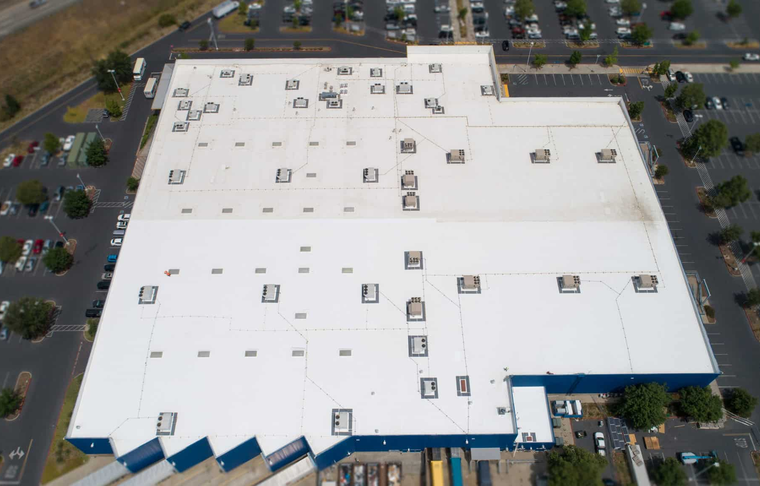
Sitting in open country north of Sparks, commercial roofs here face blowing dust, gusty winds, and sharp day-to-night temperature swings that work fasteners and seams loose over time.
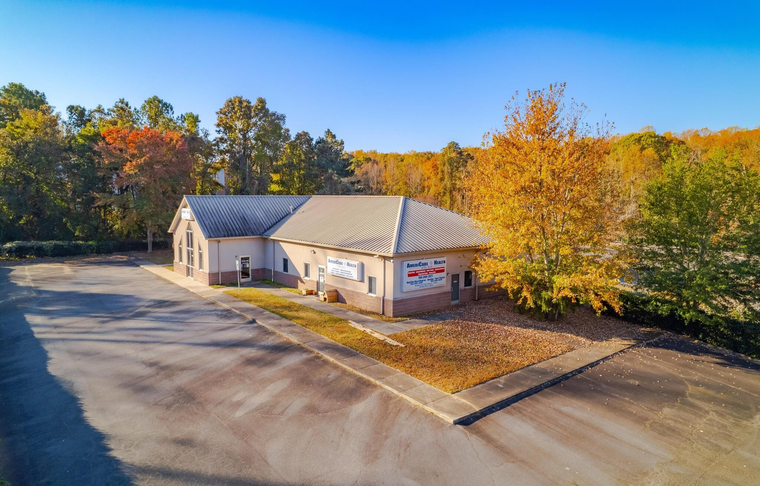
Around the Reno-Stead Airport, hangars and service buildings carry wide low-slope roofs where wind exposure and long sightlines mean small edge or seam failures spread quickly if missed.
Lemmon Valley, Golden Valley, and the distribution corridors north of town hold large-footprint roofs where reflective membranes and clean drainage matter most across acres of low slope.
Out toward the California line where the valley meets the foothills, Verdi roofs see heavier snow and earlier freezes, so winter access and snow-shedding details factor into every scope.
Sun Valley's older commercial and light-industrial buildings often run on tight repair budgets, so low-slope and metal work here is scoped to fix what is failing without overspending.
The massive distribution and manufacturing roofs of the Tahoe-Reno Industrial Center demand phased work, strict dry-in control, and tight equipment coordination across some of the region's largest roof fields.
Near the airport, logistics, hotel, and service buildings need roof work timed around continuous operations, with edge and rooftop-unit details built for the wind that sweeps the valley floor.
Around the Meadowood retail district, mall-adjacent and office roofs put a premium on quick leak response, tenant protection, and the clean closeout records that property managers rely on.
Roof walks, repair scopes, replacement planning, and maintenance records for commercial properties across Reno and Washoe County.